
Welcome to the vibrant world of the plant-based diet, where green is not just a color but a way of life! Imagine a plate overflowing with colorful veggies, fruits, and grains that not only tantalize your taste buds but also work wonders for your health. This culinary adventure promises not just scrumptious meals but also a treasure trove of benefits that can help you dodge those pesky chronic diseases, maintain a healthy weight, and strut into the future with all the essential nutrients you need.
As we embark on this leafy journey, get ready to discover how swapping that burger for a bean patty could turn you into a superhero of health, battling obesity and metabolic mayhem, one delicious bite at a time. From the vegan warriors to the flexitarian adventurers, there’s a plant-powered path for everyone!
Health and Nutrition
The benefits of a plant-based diet are as rich as a chocolate cake (but without the guilt)! This lifestyle choice not only satisfies your taste buds but also fills your body with an array of nutrients vital for optimal health. As you chew through crisp veggies and luscious fruits, you’re not just making a meal; you’re investing in your health, reducing the risk of chronic diseases, and giving your body the superhero powers it deserves.A plant-based diet is a powerhouse for overall well-being.
Research shows that a diet centered around plants can help lower blood pressure, improve cholesterol levels, and even keep your heart doing the cha-cha rather than the flop. When you swap out the burgers for beans, your risk of chronic diseases like heart disease, type 2 diabetes, and certain cancers takes a nosedive. So, let’s take a closer look at some vital nutrients that this vibrant diet offers, promising not just health but also a fun culinary adventure!
Essential Nutrients in Plant-Based Foods
Plant-based foods come packed with nutrients that have the power to transform your health. It’s not just about eating your greens; it’s about getting the good stuff in. Here’s a list of essential nutrients to keep your body dancing:
- Fiber: Found in fruits, vegetables, whole grains, and legumes, fiber keeps your digestive system happy and promotes a feeling of fullness. Think of it as your internal cleaning crew, sweeping away the unwanted guests (aka waste) in your gut.
- Vitamins: Plant foods are rich in vitamins A, C, E, and K. For instance, carrots are like a backstage pass to better vision with their vitamin A, while oranges are the zesty friends boosting your immune system with vitamin C.
- Minerals: Magnesium, potassium, iron, and calcium can be found in abundance in leafy greens, nuts, and seeds. These minerals play crucial roles in muscle function, bone health, and overall bodily harmony. Who knew munching on greens could make you feel like a superhero?
- Antioxidants: Fruits and vegetables, especially berries, are brimming with antioxidants, which work tirelessly to fight off free radicals. This superhero squad within your food helps reduce inflammation and protect your cells from damage.
- Healthy Fats: Nuts, seeds, and avocados, oh my! These sources of omega-3 and omega-6 fatty acids are essential for brain health and can reduce the risk of chronic diseases. Plus, they make everything taste like a little piece of heaven!
- Protein: Contrary to popular belief, plant-based sources of protein like lentils, chickpeas, and quinoa are not only filling but also versatile. You can whip up a protein-rich meal without ever meeting a moo-cow!
As you navigate through the colorful world of plant-based foods, remember that each bite is a step toward a healthier, happier you. Embrace the crunch, savor the flavor, and let your body thrive!
Health and Obesity
In the grand saga of weight management, a plant-based diet often emerges as the unsung hero, ready to swoop in with its leafy greens and vibrant veggies to tackle the villain of obesity. With a plethora of nutrients, lower calorie density, and a delightful array of flavors, this dietary approach not only fortifies health but also serves as a trusty sidekick in the quest for weight loss and maintenance.The relationship between a plant-based diet and weight management is rooted in the principles of nutrition.
Plant foods tend to be lower in calories and higher in fiber, which means they fill you up without filling up your waistband. In fact, studies show that individuals adhering to a plant-based diet often consume fewer calories overall while still feeling satisfied. This is largely due to the abundance of fruits, vegetables, whole grains, and legumes, which can promote a more efficient metabolism while keeping your taste buds dancing with joy.
Plant-Based Eating and Weight Loss
Diving into the world of weight loss, a plant-based diet can be a powerhouse for shedding those extra pounds. It offers a variety of benefits that can facilitate weight loss efforts, including:
- High Fiber Content: Foods such as beans, lentils, and whole grains are fiber-rich. Fiber not only aids digestion but also keeps you feeling fuller for longer, making those mid-afternoon snack cravings less likely to strike.
- Low Caloric Density: Plant-based foods tend to be lower in calories compared to their animal-based counterparts. You can munch on a mountain of veggies without the looming anxiety of calorie overload.
- Increased Nutrient Intake: By focusing on plant foods, you’ll be fueling your body with essential vitamins and minerals, which can boost your metabolism and energize your fat-burning processes.
- Sustainable Eating Habits: Transitioning to a plant-based diet can encourage healthier eating patterns that are easier to maintain long-term, which is crucial for weight management.
Metabolism is the body’s way of converting food into energy and a plant-based diet can lend a helping hand here, too. By fueling your body with wholesome, nutrient-dense foods, you can enhance metabolic efficiency. For instance, antioxidants found in various plant foods can combat oxidative stress and inflammation, which are often linked to metabolic slowdowns.
Effectiveness Compared to Traditional Diets
When comparing plant-based diets to traditional diets in the battle against obesity, the differences can be quite pronounced. While traditional diets may focus on calorie restriction or specific macronutrient ratios, plant-based diets naturally promote a healthier lifestyle through nutrient-dense food choices. Key differentiators include:
- Long-Term Success: Many studies indicate that plant-based eaters are more likely to maintain weight loss over time, thanks to their sustainable and enjoyable eating habits.
- Reduced Risk of Obesity-Related Diseases: The rich array of phytochemicals and antioxidants helps lower the risk of conditions like diabetes and heart disease, which are often exacerbated by obesity.
- Flexible and Varied Options: Plant-based diets are highly customizable, allowing individuals to explore a vast range of flavors and cuisines—think of it as a culinary adventure rather than a restriction!
Adopting a plant-based diet is like inviting a friend who constantly encourages you to eat better—minus the judgment on that occasional slice of cake!
In the end, a plant-based diet shines brightly in the realm of health and obesity, providing a fun and effective way to nurture your body. With every bite, you’re not just making choices for today, but investing in a healthier, more vibrant future.
Popular Diets
Plant-based diets have taken the culinary world by storm, sprouting up like well-watered kale. From the all-in Vegan to the flexible Flexitarian, there’s a plant-based option for everyone. These diets not only encourage us to munch on more greens but also promise a sprinkle of health benefits. So grab your forks and let’s dig into the delicious details!The three most popular plant-based diets—Vegan, Vegetarian, and Flexitarian—each have their own unique flavor profiles and guidelines, making it easier for people to choose their preferred plant-powered path.
Here’s a detailed look at these diets, complete with a handy table for quick reference.
Diet Comparison Table
To better understand the distinctions and overlaps among Vegan, Vegetarian, and Flexitarian diets, check out the table below:
| Diet Type | Includes Animal Products | Primary Focus | Flexibility |
|---|---|---|---|
| Vegan | No | 100% plant-based | None |
| Vegetarian | No meat, some dairy/eggs | Plant-based with some animal products | Moderate |
| Flexitarian | Occasional meat | Primarily plant-based | High |
This table Artikels the key differences between the three diets, showing how they cater to various lifestyles and preferences. Now, let’s dive into some common misconceptions about plant-based diets that often lead people astray!
Common Misconceptions About Plant-Based Diets
Despite the growing popularity of plant-based diets, several misconceptions persist that can deter potential followers. Here’s a list that debunks these myths and clarifies the reality behind plant-based eating:
- Myth: Plant-based diets are always expensive.
The truth is, beans and rice are as budget-friendly as they come! You can eat plants without breaking the bank.
- Myth: Plant-based diets lack protein.
Contrary to popular belief, legumes, quinoa, and nuts are protein-packed powerhouses!
- Myth: You can’t get enough nutrients on a plant-based diet.
With a colorful variety of fruits, vegetables, and whole grains, nutrient deficiency is a myth!
- Myth: Plant-based diets are boring.
With endless recipes and flavor combinations, plant-based meals can be as exciting as a surprise party!
- Myth: It’s hard to eat out as a plant-based eater.
Many restaurants now cater to plant-based diets—just ask your waiter for the vegan menu!
This list serves to correct common misinterpretations surrounding plant-based diets, leading the way for those interested in exploring these delicious options without fear or hesitation. Embrace the greens, and let the myths be trampled underfoot!
Final Summary
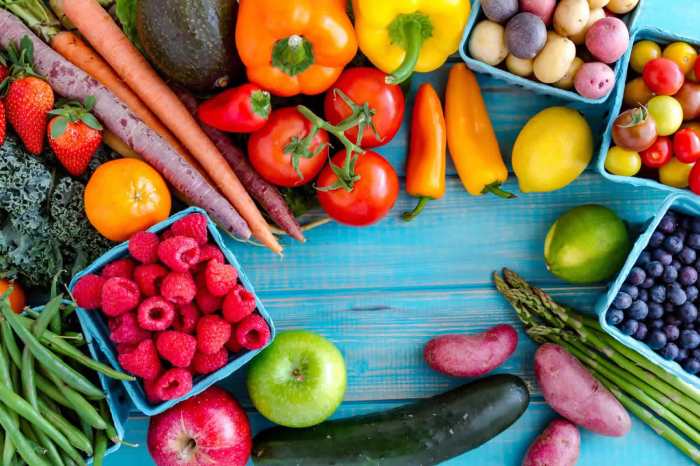
In conclusion, embracing a plant-based diet might just be the best decision you make for your taste buds and your health. With an array of diets to choose from and a smorgasbord of nutrients to fuel your body, it’s a delicious path to longevity and well-being. So, whether you’re a full-time veggie enthusiast or a part-time leafy greens snacker, remember that every bite counts in this flavorful quest for wellness!
FAQ Summary
What is a plant-based diet?
A plant-based diet focuses primarily on foods derived from plants, including fruits, vegetables, nuts, seeds, oils, whole grains, legumes, and beans while minimizing or excluding animal products.
Can I get enough protein on a plant-based diet?
Absolutely! There are plenty of plant-based protein sources like lentils, chickpeas, quinoa, tofu, and seitan that can meet your protein needs.
Do I have to give up all animal products to be healthy?
Nope! You can be a flexitarian, eating mostly plant-based but occasionally enjoying animal products without compromising your health.
Will I miss out on vitamins and minerals?
<pNot if you eat a wide variety of colorful plant foods! This diet is rich in essential vitamins and minerals that can keep you thriving.
Can a plant-based diet help with weight loss?
Yes! Many people find that a plant-based diet can be lower in calories and high in fiber, helping to keep you full while supporting weight loss.


