
Welcome to the world of Pilates for weight loss, where we bend, twist, and occasionally fall over in a quest for a sleeker silhouette and a side of giggles! Imagine working out while channeling your inner pretzel—sounds fun, right? With its blend of strength, flexibility, and an occasional touch of grace (or lack thereof), Pilates might just be your new best friend in shedding those stubborn pounds.
From beginner moves that make you feel like a majestic flamingo to advanced routines that challenge even the most seasoned yogis, we’ll explore how Pilates not only helps you tone up but also gives your metabolism a gentle nudge towards fat-burning glory. Pair this with a sprinkle of nutrition wisdom and hydration hacks, and you’re on your way to a balanced lifestyle that even your fridge would approve of!
Pilates Techniques for Weight Loss
In the quest for weight loss, Pilates emerges as a surprisingly effective and entertaining ally. Not only does it involve rolling around on a mat like a playful seal, but it also fosters a connection between mind and body that can make even the most resistant muffin tops quiver in fear. Let’s dive into the fundamental principles that make Pilates a fat-burning extravaganza while toning those muscles into graceful submission.
Pilates is grounded in six core principles: concentration, control, center, flow, precision, and breathing. These principles are crucial for maximizing weight loss. Concentration translates into a focused workout, ensuring that each move is intentional and effective. Control is about mastering your body movements, making sure those abs are engaged and that you’re not just flopping around like a fish out of water.
The center, often referred to as the “powerhouse,” is where your core strength resides, helping to stabilize your entire body, which is essential for weight loss. Flow emphasizes fluid movements that not only burn calories but also enhance coordination. Precision ensures that every movement counts, and breathing keeps you oxygenated—because, you know, not breathing during exercise is generally frowned upon.
Specific Pilates Exercises for Fat Burning and Muscle Toning
To effectively target fat burning and muscle toning, certain Pilates exercises stand out from the crowd like a show-off at a party. Below are some stellar moves to include in your routine that will have you sweating like a sinner in church.First up, the Pilates Hundred: This classic exercise involves lying on your back, lifting your legs to a tabletop position, and pumping your arms up and down while breathing in for five counts and out for five.
This not only boosts your heart rate but also works your abs like a champion.Next is the Roll-Up:This graceful move works your entire body by engaging your core and lengthening your spine. Start by lying flat and then slowly rolling up to a seated position, resembling a human gummy bear unfurling. Repeat, and you’ll feel the burn.The Single-Leg Circle is next in line:Lying on your back, lift one leg towards the ceiling and draw circles with it.
This exercise is fantastic for improving flexibility and tone in your legs, while also firing up that pesky core.Finally, let’s not forget the Plank:A staple in any solid Pilates routine, holding a plank engages multiple muscle groups at once and can torch those calories faster than you can say “I’d rather be eating pizza.”
Comparison of Pilates Routines for Beginners and Advanced Practitioners
When it comes to Pilates routines, there is a noticeable difference between what a beginner can handle compared to an advanced practitioner. Each level offers unique challenges and benefits tailored to the skill set of the participant.For beginners:A typical routine includes basic exercises that focus on form and breathing. This phase emphasizes building a solid foundation. Here are some key exercises included in a beginner routine:
- Pelvic Curl: A gentle introduction to spinal articulation.
- Cat-Cow Stretch: Enhances flexibility and promotes proper alignment.
- The Bridge: Introduces hip and core engagement.
In contrast, an advanced routine incorporates more challenging movements that require greater control and strength. These exercises are designed to push the limits of your abilities and include:
- Teaser: A full-body workout that requires balance and core strength.
- Scissors: An advanced leg exercise that promotes abdominal control and coordination.
- Jackknife: A challenging move that builds overall body strength and stability.
This progression from beginner to advanced not only helps in weight loss but also in enhancing overall body functionality. Each level ramps up the challenge, ensuring that you’re sweating buckets while also feeling like a Pilates superhero.
“Pilates isn’t about being perfect; it’s about being better than you were yesterday.”
Integrating Nutrition with Pilates for Effective Weight Loss
When we think of Pilates, we often picture ourselves gracefully balancing on a reformer or twisting like a pretzel on a mat. But what if I told you that the secret ingredient to unlocking the full potential of your Pilates practice might not just be your core strength, but also what’s on your plate? That’s right! Nutrition isn’t just the cherry on top of your wellness sundae; it’s the sundae itself! Let’s dive into how to perfectly blend your diet with Pilates to kick those calories to the curb.
Guidelines for a Balanced Diet with Pilates
Pilates is a wonderful way to tone muscles and enhance flexibility, but the real magic happens when it’s paired with a balanced diet. A well-rounded diet fuels your workouts and aids recovery. Here are some essential guidelines to keep your plate as balanced as your Pilates stance:
- Lean Proteins: Incorporate chicken, fish, beans, or tofu to build and repair muscles. Think of them as the friendly construction crew for your core!
- Whole Grains: Quinoa, brown rice, and oats are your go-to carbs. They provide energy without the crash, allowing you to power through that last set of leg lifts.
- Colorful Fruits and Vegetables: Aim for a rainbow on your plate. More colors mean more nutrients! Plus, who doesn’t love a bit of vibrant food art?
- Healthy Fats: Avocados, nuts, and olive oil enhance absorption of vitamins. They’re like the lubricant for your body’s machinery!
- Mindful Eating: Focus on portion sizes and listen to your body’s hunger cues. A little mindfulness goes a long way in preventing post-workout snack attacks!
The Role of Hydration in Pilates Performance
Hydration is the unsung hero of weight loss and fitness, often overshadowed by flashy superfoods and trendy diets. Picture your body as a well-oiled machine: without water, it’s like trying to run a car with no oil. Keeping hydrated can enhance your Pilates performance and accelerate weight loss. Here’s why:
“Water: The elixir of life, the secret weapon for weight loss, and the most underrated Pilates companion!”
To quench your thirst effectively during Pilates:
- Stay Ahead: Drink water before, during, and after your workout. Make it a habit, like remembering to wear your stretchy pants!
- Electrolytes Matter: If you’re sweating buckets, consider replenishing with electrolyte-rich drinks to maintain balance and prevent fatigue.
- Flavor it Up: If plain water bores you, add slices of fruits or herbs for a spa-like experience. Who said hydration couldn’t be glamorous?
Popular Diet Plans for Optimal Weight Management with Pilates
When Pilates and diet join forces, they can create a dynamic duo that would make Batman and Robin proud. Several popular diet plans can synergistically work with Pilates to help you achieve your weight management goals. Here’s a look at some of the most effective ones:
- Mediterranean Diet: Rich in healthy fats and whole foods, this diet promotes heart health and shares a love for fresh ingredients that complement your active lifestyle.
- Paleo Diet: By focusing on whole foods and eliminating processed options, the Paleo diet pairs well with the natural movements in Pilates, creating a holistic approach to health.
- Ketogenic Diet: Though it’s high in fats and low in carbs, many Pilates enthusiasts find they can maintain energy levels and stay focused while shedding weight. Just make sure you’re not too light-headed during those balancing poses!
- Intermittent Fasting: This timing-based approach to eating can enhance fat loss while allowing you to enjoy your meals in a structured way. Just remember to plan your workouts accordingly so you’re not trying to do a hundred crunches on an empty stomach!
The Holistic Impact of Pilates on Health and Wellness
Pilates isn’t just about flexing your core while making it look like you’re trying to untangle a pretzel; it’s a lifestyle transformation that can redefine your approach to health and wellness. With its roots in rehabilitation and fitness, Pilates offers a comprehensive strategy to manage obesity while enhancing overall well-being—because who said losing weight couldn’t involve a little grace and a lot of balance?Pilates promotes a balanced approach to weight management by encouraging mindful movement and body awareness.
This method not only helps in shedding those stubborn pounds but also empowers individuals to understand their bodies on a deeper level. With consistent practice, participants often find themselves developing a strong foundation of muscle that supports their efforts in weight loss, making it less about rigid diets and more about a sustainable lifestyle.
Managing Obesity and Improving Overall Health
There’s a little something for everyone in the world of Pilates, and that includes its significant impact on obesity management and overall health. Let’s delve into how Pilates can be your trusty sidekick in this journey:
- Encourages Mindful Eating: The focus on body awareness in Pilates often translates to better dietary choices. When you become more in tune with your body, you might find yourself opting for kale instead of cake.
- Increases Physical Activity: Engaging in regular Pilates sessions can increase your overall activity level, burning calories while you’re at it—goodbye couch potato, hello lean machine!
- Improves Posture and Alignment: Good posture not only makes you look more confident, but it also helps in maintaining a healthy metabolism. Plus, who doesn’t want to strut with the poise of a runway model?
- Boosts Metabolism: With increased muscle mass from Pilates, your resting metabolic rate can boost, leading to a more efficient calorie-burning process. It’s like having a personal trainer whispering sweet nothings to your metabolism even when you’re binge-watching your favorite series.
Mental and Physical Health Benefits
Integrating Pilates into your routine can yield a plethora of mental and physical health benefits that would make even the most seasoned yogi envious. Here’s a closer look at the advantages that might have you saying “Namaste” instead of “no thanks”:
- Enhances Mood: Regular practice can release endorphins—those lovely little chemicals that make you feel like you’re walking on sunshine.
- Reduces Stress: The emphasis on controlled breathing and mindfulness helps in melting away stress like butter on hot toast.
- Improves Flexibility: With focused stretching and strengthening, you’ll find yourself bending and twisting like a pretzel, ready for any yoga class or spontaneous dance-off.
- Boosts Confidence: As you start to see improvements in your strength and flexibility, you’ll radiate confidence that could light up a stadium.
Pain Management and Recovery in Physical Therapy Settings
Pilates is not just for those looking to fit into their favorite jeans; it’s also a powerful tool in pain management and rehabilitation. Its low-impact nature and emphasis on precision make it ideal for those recovering from injuries or dealing with chronic pain. Here’s how:
- Strengthens the Core: A strong core can alleviate pressure on the spine and joints, reducing overall pain levels—think of it as your personal pain shield.
- Improves Body Mechanics: Pilates teaches proper alignment and movement patterns, helping to prevent future injuries, because we all know accidents happen, but let’s try to minimize them.
- Encourages Range of Motion: Gentle stretching and controlled movements enhance flexibility and range of motion, making everyday activities less of a chore and more of a breeze.
- Facilitates Recovery: Many physical therapists incorporate Pilates into recovery plans, guiding clients through exercises tailored to their specific needs—think of it as a customized fitness buffet.
Final Summary
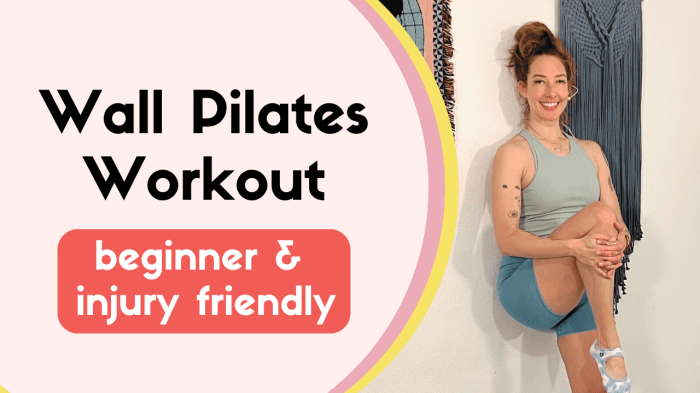
So there you have it—Pilates for weight loss isn’t just about those killer core exercises; it’s about embracing a holistic approach to health, wellness, and a whole lot of fun! Whether you’re sweating it out on the mat or sipping a green smoothie post-workout, remember that every little movement counts. Now, go forth and conquer those twists and turns like the Pilates warrior you are!
Helpful Answers
How often should I do Pilates for weight loss?
For optimal results, aim for 3-4 times a week, mixing it up with different routines to keep things fresh and fun!
Can Pilates alone help me lose weight?
While Pilates is fantastic for toning and strengthening, pairing it with a healthy diet will supercharge your weight loss journey!
Do I need special equipment for Pilates?
Nope! You can start with just a mat; however, incorporating props like a reformer or resistance bands can spice things up later.
Is Pilates suitable for beginners?
Absolutely! Pilates welcomes all levels, so whether you’re a newbie or a pro, there’s a place for you on the mat.
Can Pilates help with stress relief?
You bet! The focus on breathing and mindful movement makes Pilates a perfect stress-buster, leaving you feeling zen and fabulous.


